
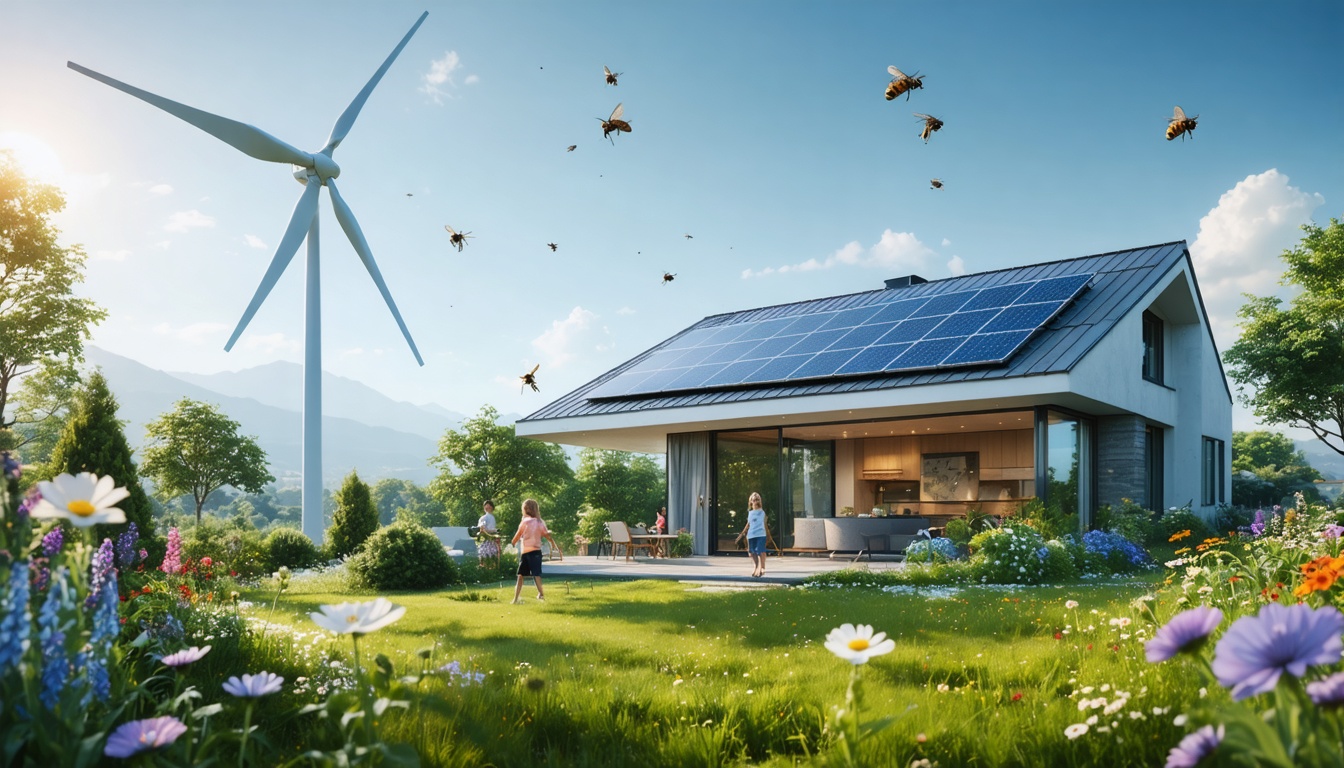
The Environmental Benefits of Choosing Renewable Energy at Home
Switching your home's energy source to renewable options has several environmental benefits that extend beyond individual households. Such a transition can lead to improvements in air quality due to reduced emissions from fossil fuels, which contributes to less smog and better overall public health. Furthermore, renewable energy sources, like solar and wind, typically require less water for operation compared to traditional energy sources, thereby conserving this vital resource. The reduction of greenhouse gas emissions is another significant outcome of adopting renewable energy. This contributes to the mitigation of climate change, which has wide-ranging effects on ecosystems, weather patterns, and local biodiversity. Moreover, community engagement in renewable energy initiatives can foster a sense of collective responsibility towards environmental stewardship. The overall impact of choosing renewable energy at home not only influences the immediate household's utility costs and energy consumption but also has broader implications for community health, local economies, and wildlife habitats. By increasing the demand for clean energy solutions, individuals can stimulate local markets, promote job creation in the green energy sector, and contribute to the overall resilience of their communities against climate-related challenges.
Understanding Renewable Energy and Its Sources
Renewable energy encompasses a range of resources, including sunlight, wind, water, biomass, and geothermal heat. These sources have the capacity to regenerate naturally over relatively short time periods. In contrast to fossil fuels, renewable energy sources typically result in lower greenhouse gas emissions during electricity generation or heating processes.
Technological means such as solar panels, wind turbines, and heat pumps are utilized to harness these energy resources effectively. The deployment of these technologies contributes to a decrease in air pollution and carbon dioxide emissions, which is significant in the context of addressing climate change.
Transitioning urban areas to cleaner energy solutions is consistent with the goal of achieving Net Zero emissions and also aids in reducing overall carbon footprints. This transition has the potential to stimulate economic activity by creating job opportunities in the renewable energy sector.
In the United States, tax credits and incentives are available to encourage the adoption of sustainable energy practices. These policies are intended to support the shift towards a more environmentally sustainable economy.
Lowering Greenhouse Gas Emissions in Residential Settings
The reliance on fossil fuels for residential energy has long been established; however, transitioning to renewable energy sources offers a viable method for reducing greenhouse gas emissions within this sector. Technologies such as solar panels, heat pumps, and wind turbines can diminish carbon dioxide emissions linked to electricity generation and heating. For those considering solar panel adoption, professional solar panel installation can ensure optimal performance and longevity of these systems. Research indicates that these adaptations could potentially reduce a household's carbon footprint by approximately three to four tons annually.
Renewable energy sources, which are derived from natural phenomena like sunlight and wind, generally produce minimal to no greenhouse gas emissions during their operational phases. This transition aligns with national goals for achieving Net Zero emissions, particularly within the United States. Additionally, implementing sustainable practices at the household level can lessen dependence on fossil fuels, potentially leading to enhanced air quality and contributing to a more sustainable economy.
The economic implications of shifting to renewable energy are also significant. Research shows that investments in renewable energy tend to create roughly three times more jobs per million dollars invested compared to traditional fossil fuel industries. This suggests positive outcomes for local supply chains and presents a practical avenue for generating employment opportunities as communities advance toward a more sustainable energy framework.
Improving Air and Water Quality Through Home Energy Choices
The transition to renewable energy sources in residential settings can have significant impacts on air and water quality within local communities. By moving away from fossil fuels and adopting alternatives like solar panels, wind turbines, heat pumps, and electric vehicles, there is potential for a marked reduction in air pollution and a decline in carbon dioxide emissions associated with electricity generation. Renewable energy technologies are designed to minimize the release of greenhouse gases and heavy metals, which are prevalent in traditional energy sources.
Furthermore, the implementation of energy-efficient upgrades alongside the use of cleaner electricity tends to result in better air quality and improved water resources. Individual actions taken to achieve net-zero emissions at the household level can cumulatively contribute to enhanced environmental conditions in localities.
Additionally, the shift towards renewable energy sources is linked to economic growth, as this transition can create job opportunities and promote better public health outcomes by reducing pollution levels.
In conclusion, transitioning to renewable energy in residential areas is vital for addressing significant environmental and health challenges while also supporting economic development.
Contributing to Climate Change Mitigation
Transitioning household energy use from fossil fuels to renewable sources can lead to a notable reduction in greenhouse gas emissions linked to climate change. The implementation of technologies such as solar panels, wind turbines, and heat pumps enables residences to generate electricity and heat from more sustainable energy sources. Measures such as adopting renewable electricity generation, utilizing electric vehicles, and improving heating efficiency are effective strategies for reducing carbon dioxide emissions.
Renewable energy sources generally produce minimal to no greenhouse gas emissions, contributing to better air quality and progress toward Net Zero targets established by the United States and other countries.
The financial implications of this transition are significant, with estimates suggesting potential savings of up to $4.2 trillion annually related to climate change mitigation costs. Furthermore, the shift to renewable energy is anticipated to create new employment opportunities and strengthen the supply chain required for a sustainable economy.
This analysis underscores the role of renewable energy in addressing climate change while simultaneously supporting economic development.
Promoting Biodiversity and Sustainable Land Use
The integration of renewable energy sources in residential areas presents multiple advantages, particularly in relation to decreasing greenhouse gas emissions. Renewable energy technologies, such as wind and solar power, reduce reliance on fossil fuels, which are closely associated with ecosystem disruption and habitat loss.
By opting for renewable energy solutions for electricity generation and employing heat pumps, individuals can lower their carbon dioxide emissions and improve air quality, while also lessening the strain on limited natural resources.
Additionally, various renewable energy installations, including biomass heating systems and wind farms, may contribute to the preservation and enhancement of biodiversity. These projects have the potential to create new habitats and support diverse biological communities, thereby aiding in the maintenance of ecological balance.
Furthermore, the promotion of sustainable supply chain practices, alongside government incentives such as tax credits, is essential for advancing Net Zero goals in urban settings. This approach focuses on reducing greenhouse gas emissions while also safeguarding significant areas of land, which in turn fosters ecological health and supports sustainable land use initiatives.
Enhancing Energy Independence and Security
Adopting renewable energy technologies in residential settings can enhance energy independence and improve security for households. The installation of solar panels, heat pumps, and wind turbines reduces reliance on fossil fuels and centralized power grids. This transition decreases exposure to fluctuations in energy prices, disruptions in supply chains, and the health risks associated with air pollution, which can affect both urban and rural areas.
As the United States and other nations pursue a transition to sustainable energy sources, individual actions contribute to the broader goal of reducing carbon dioxide emissions and improving air quality. Homes that achieve Net Zero status—producing as much energy as they consume—are capable of generating electricity with minimal to no greenhouse gas emissions, which is essential for reducing overall carbon output.
Investment in renewable energy infrastructure at the household level can also have positive implications for the economy and climate stability. It can foster local job creation within renewable energy sectors and encourage the development of more resilient energy systems.
These factors highlight the importance of adopting renewable technologies as part of a comprehensive approach to achieving a sustainable energy future.
Supporting Economic Growth and Job Creation
Investments in renewable energy are increasingly recognized for their contributions to economic growth and job creation worldwide. The implementation of renewable energy sources, such as solar panels, wind turbines, and heat pumps, aids in transitioning toward cleaner energy systems and sustainable fuel options.
Studies indicate that for every dollar invested in renewable electricity generation, approximately three jobs are created annually, which is significantly higher than the job creation associated with fossil fuel power generation.
This transition also plays a role in reducing greenhouse gas emissions and carbon dioxide levels, thereby improving air quality, which has implications for public health and environmental sustainability. Local renewable energy initiatives are particularly noteworthy as they can enhance community engagement, support under-represented groups, and expand supply chains, in addition to helping meet established climate targets.
Achieving Net Zero emissions will require active participation at the individual and community levels, contributing to sustained job growth within the renewable energy sector. This strategy corresponds with broader economic objectives while effectively addressing environmental concerns.
Reducing Household Energy Costs Over Time
Investing in renewable energy technologies can lead to reduced household energy costs over time. The installation of systems such as solar panels, heat pumps, or wind turbines can lower electricity and heating expenses, while also contributing to a decreased reliance on fossil fuels.
Various financial incentives, such as tax credits and rebates, combined with the decreasing costs of these technologies, make renewable energy solutions more economically viable for homeowners. This approach also supports broader objectives aimed at achieving net-zero emissions, particularly in the United States.
Households adopting renewable energy may observe significant savings on their energy bills over the course of a year, as cleaner energy sources often result in reduced greenhouse gas emissions—sometimes by nearly threefold.
Additionally, transitioning to sustainable energy sources is associated with lower carbon dioxide emissions and improved air quality.
There is also a potential reduction in vulnerabilities related to supply chain disruptions caused by climate change. These points underscore the practical advantages of considering renewable energy options for residential applications.
Addressing Challenges and Limitations of Home Renewable Energy
The shift towards renewable energy in residential environments involves several significant challenges, despite the advantages it offers in terms of sustainability and cost savings over time. One of the main barriers is the substantial upfront cost associated with the installation of renewable energy systems, such as solar panels, heat pumps, and wind turbines.
Although financial incentives, including tax credits and rebates, can lessen some of these costs, many homeowners still view the initial investment as a considerable financial burden.
In addition, the intermittent nature of renewable energy generation presents another significant issue. For instance, electricity generation from solar and wind sources can fluctuate due to weather conditions.
This variability underlines the necessity for effective energy storage systems. Without sufficient storage capacity, homeowners may face challenges in relying solely on renewable energy during periods of low generation, such as during overcast days or when wind conditions are unfavorable.
Geographic factors also impact the feasibility of implementing certain renewable technologies. In urbanized areas, for instance, limited space may restrict the installation possibilities or the type of renewable solutions that can be used, notably for wind and solar technologies.
Additionally, it is essential to be mindful of the lifecycle emissions tied to the production and supply chain processes of renewable energy systems. Despite ongoing efforts to reduce these emissions, they still contribute to the overall environmental impact of these technologies.
Regulatory frameworks can further complicate the adoption of home renewable energy solutions. Local policies, building codes, and permitting procedures can serve as obstacles for homeowners aiming to transition to renewable energy.
Compliance with these regulations may result in delays and added costs.
Addressing these challenges is essential as the United States seeks to progress towards its net-zero emissions objectives while enhancing air quality. Although various barriers exist, thoughtful management of these issues is necessary to promote the widespread adoption of renewable energy at the residential level.
Conclusion
Choosing renewable energy for residential use can significantly contribute to reducing greenhouse gas emissions and enhancing air and water quality. When households adopt renewable energy sources, such as solar or wind power, they can directly decrease their reliance on fossil fuels, which are a major contributor to pollution and climate change. Additionally, utilizing renewable energy can support local ecosystems by minimizing the ecological disruptions that often accompany fossil fuel extraction and transportation. This shift can also enhance energy independence, as renewable resources are typically abundant and locally available, reducing dependence on imported fuels. The transition to renewable energy can have economic benefits as well. As the renewable energy sector expands, it creates jobs and stimulates investments in green technologies. Furthermore, homeowners who implement renewable energy solutions may observe a reduction in their energy expenses over time, as these systems can lower utility bills and provide more predictable energy costs. Though there can be challenges, such as the initial cost of installation and the variability of renewable energy sources, the overall impact of individual choices towards renewable energy can contribute to a healthier environment and community. This underscores the significance of personal decisions in the broader context of transitioning to more sustainable energy practices.